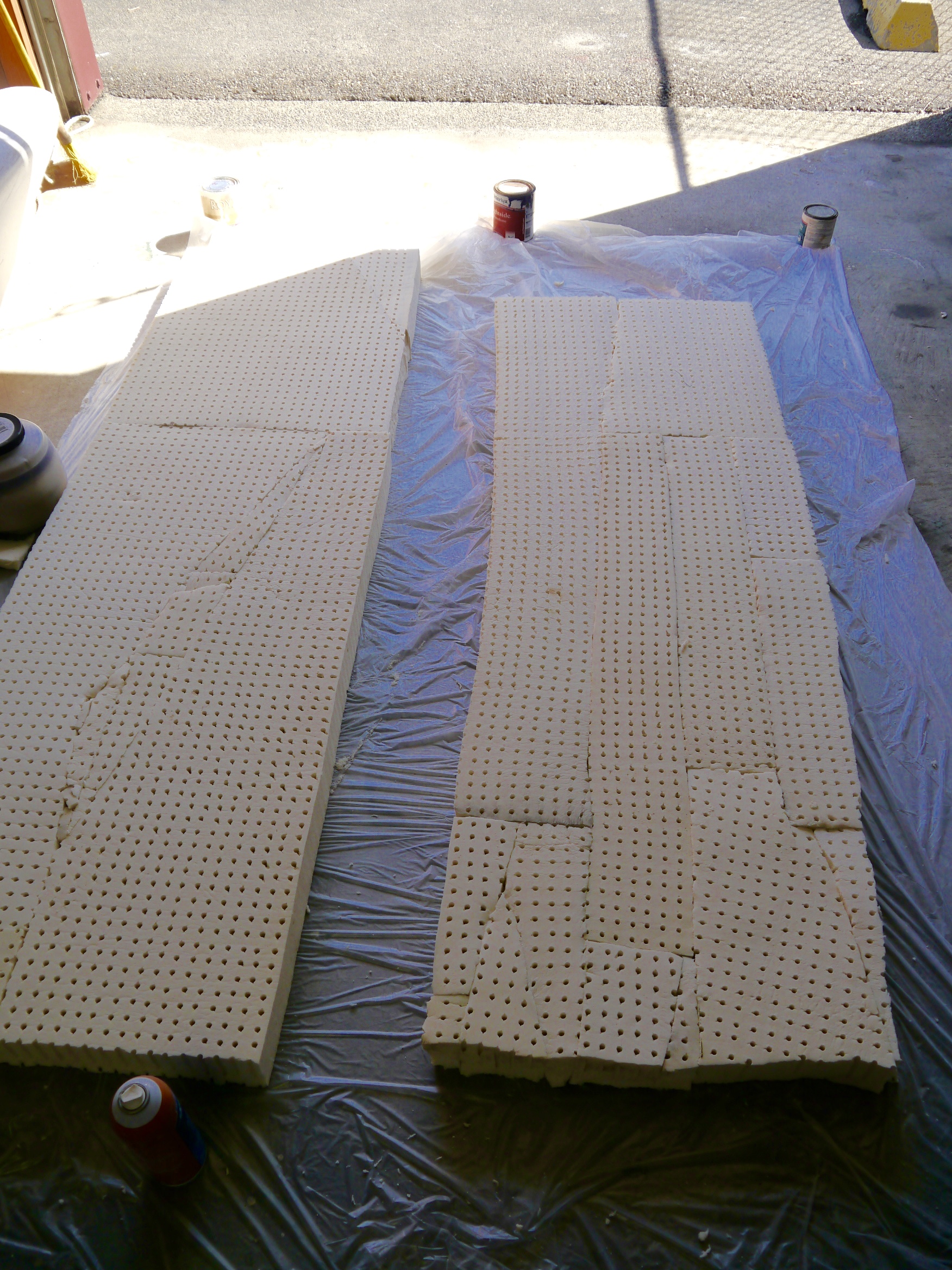
Regular readers will recall that we recently had new mattresses made for our aft cabin. Part of that remodel was the purchase of some rather expensive latex foam toppers for the berths. These came at a cost of $570 for the space. That’s not an insignificant cost, even though it was completely worth every single penny. As every boat owner knows, boat beds do not come in regular sizes like your earthbound beds. Therefore, in order to get what you need, you frequently have to cut to fit. And you know what that means. That’s right. That means extra material. Extra EXPENSIVE material!
When we picked up our new mattresses we were blessed to receive all of the extra pieces of latex foam, neatly stuffed down into large plastic bags. I was going to toss them, but being the cheap and easy boat trick queen, I just couldn’t bring myself to do it. I don’t like to throw away perfectly good materials that I might put to use. So I kept them and waited for an idea to pop into my head. And it did.
Galapagos has a great cockpit. We love it. But one of the things that I’ve wanted to improve is the napability of the two longest sides. They are long enough to lie down on (one of the absolute requirements for us in a boat, being the famous sleepers that we are), but the hard Bottomsider-style cushions that came with the boat are dead uncomfortable. I decided to see if I had enough latex foam to make cushion toppers for them.
After measuring the sides, I lay the foam pieces out on some plastic up in our workshop/storage space at the marina. Supplied with Elmer’s spray glue and a healthy love of puzzles, I began piecing the foam together to make the long, thin rectangles required. I glued the seams as firmly as possible and then let them sit for a day to cure. Although I had the garage door open for all the gluing, I cannot swear that I didn’t lose a few brain cells to that spray. Do make sure you have good ventilation with that stuff. I trimmed the uneven ends with large scissors, making several cuts from the top down. Sure, I have an electric knife, the tool of choice for this job. It’s at home. Not at the marina. Scissors worked just fine. We’re not building the Parthenon here.
As I did with the new cushions in the v-berth and aft cabin, I decided I wanted to protect these with that PUL fabric I used to keep water from soaking into the foam. This also makes coverings easy to take off and put back on. Once again, I used the handy 40% off coupon Hobby Lobby has each week.
My only concern here is that there really are a lot of glued seams on these. It is possible that the glue will not hold up in the heat of Mexico and beyond. If that happens, though, I will still have all the other materials all set up to pop the latex out and replace it with foam all in one piece. The PUL fabric has a lot of stretch to it so it can be pulled tightly around the latex. It supports the seams in the foam as well as making the whole thing waterproof. The extra support makes it less likely that we’ll experience a total fail just from moving the cushions around.
To ‘upholster’ these, I wanted outdoor canvas that was water and UV resistant. Since it’s fall, this is a good time to look for summer fabric in the clearance section of Joanne Fabrics. I made a beeline for the clearance bin and found some perfect yellow canvas for $3.50/yard. Done! I actually bought extra of this because I liked it and it was such an excellent price. Retail on this canvas is $29.99/yard. As if I would ever pay that much.
The sewing was straight forward; not exactly my favorite kind of sewing but at least with this project my machine doesn’t protest. I cut two rectangles, some sides, then sewed them together.
These are just the ticket in the cockpit for sitting or laying around at anchor. While underway they can be stored along the sides in the v-berth, or even in the aft cabin, just tucked under the shelf, which will hold them in place. They are a cheap and cheerful addition to the comforts of home on board Galapagos.
Cost Breakdown:
Total cost: $48.20 plus tax. Win!
- Latex foam – 0 because it was leftover from another project, destined to be thrown out
- PUL fabric – 4 yards, 40% off – $31.20
- Yellow Canvas – 4 yards at $3.50/yd – $14.00
- Yellow thread – $3.00
Showing posts with label cockpit. Show all posts
Showing posts with label cockpit. Show all posts
Tuesday, April 11, 2017
Cockpit Cushion Toppers
Aboard s/v Galapagos, Melissa finds a wonderful use for something that would have been simply discarded. She also has significant puzzling skills:


Tuesday, February 7, 2017
Valkyr’s Hard Dodger
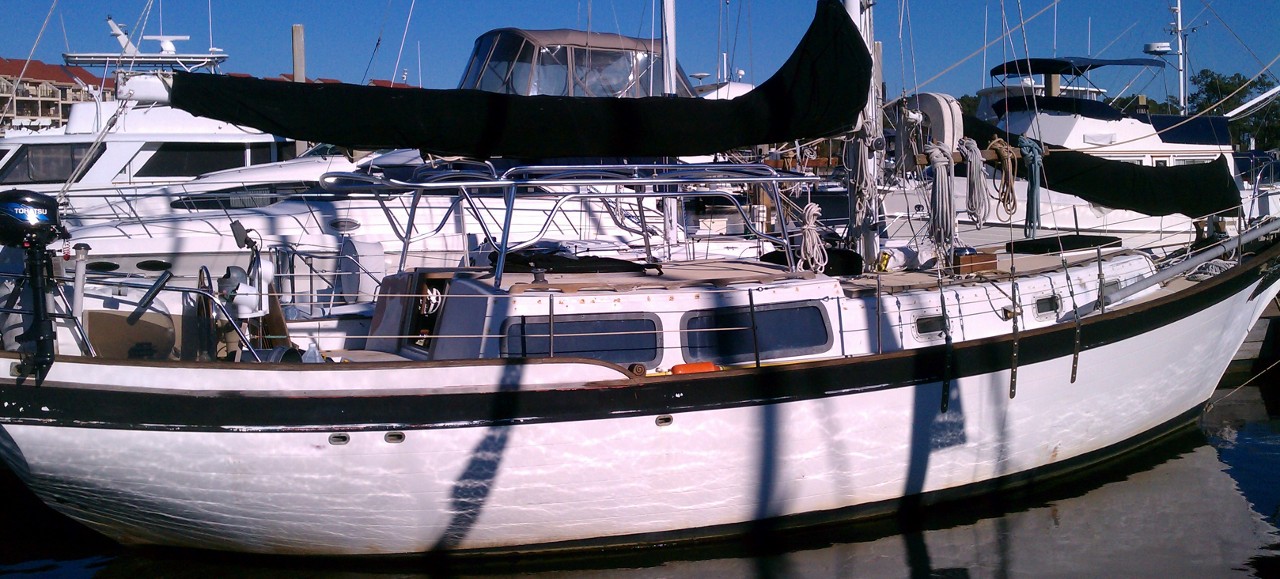
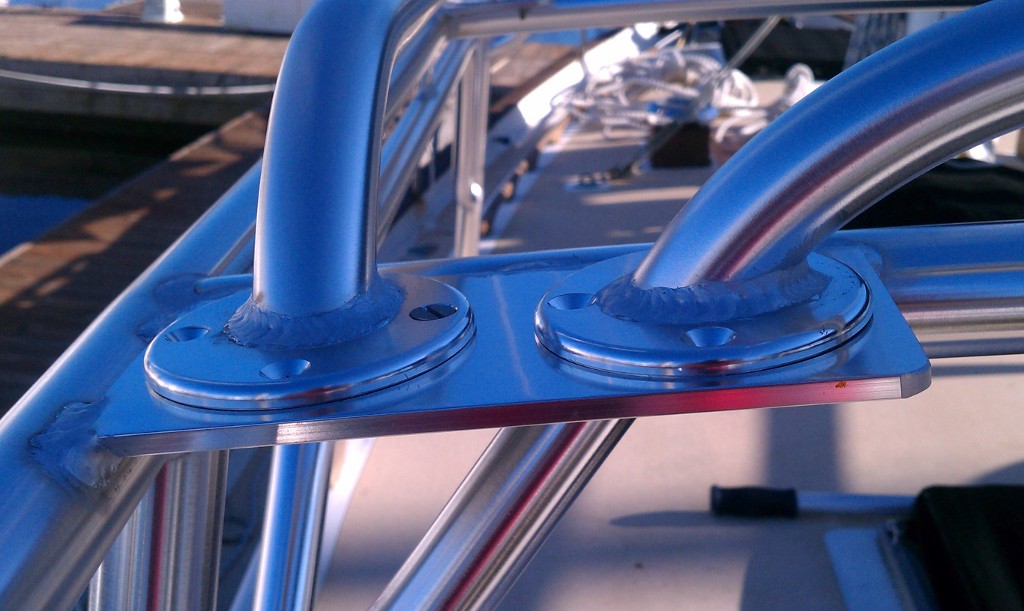
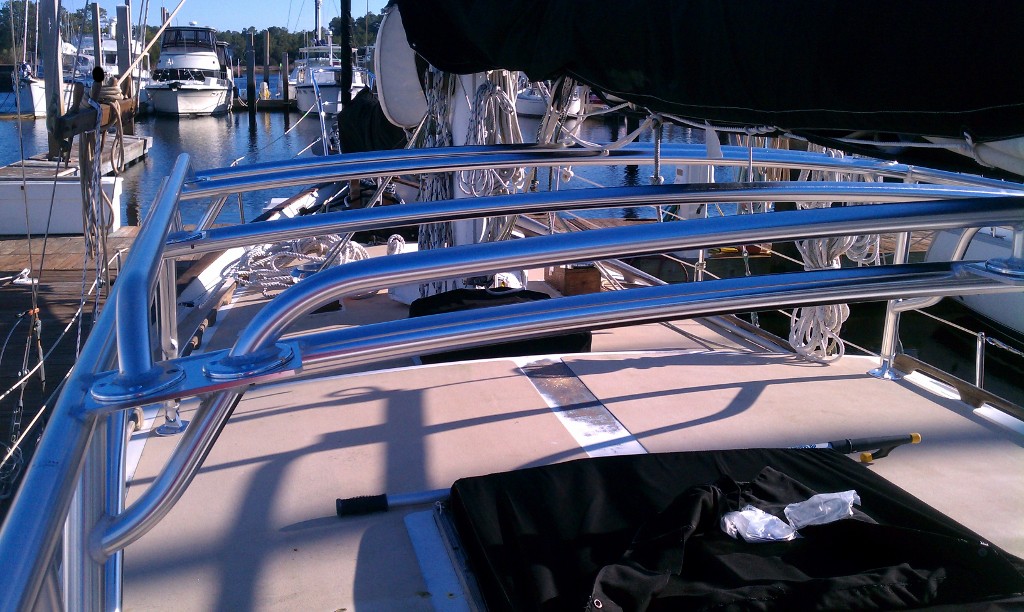
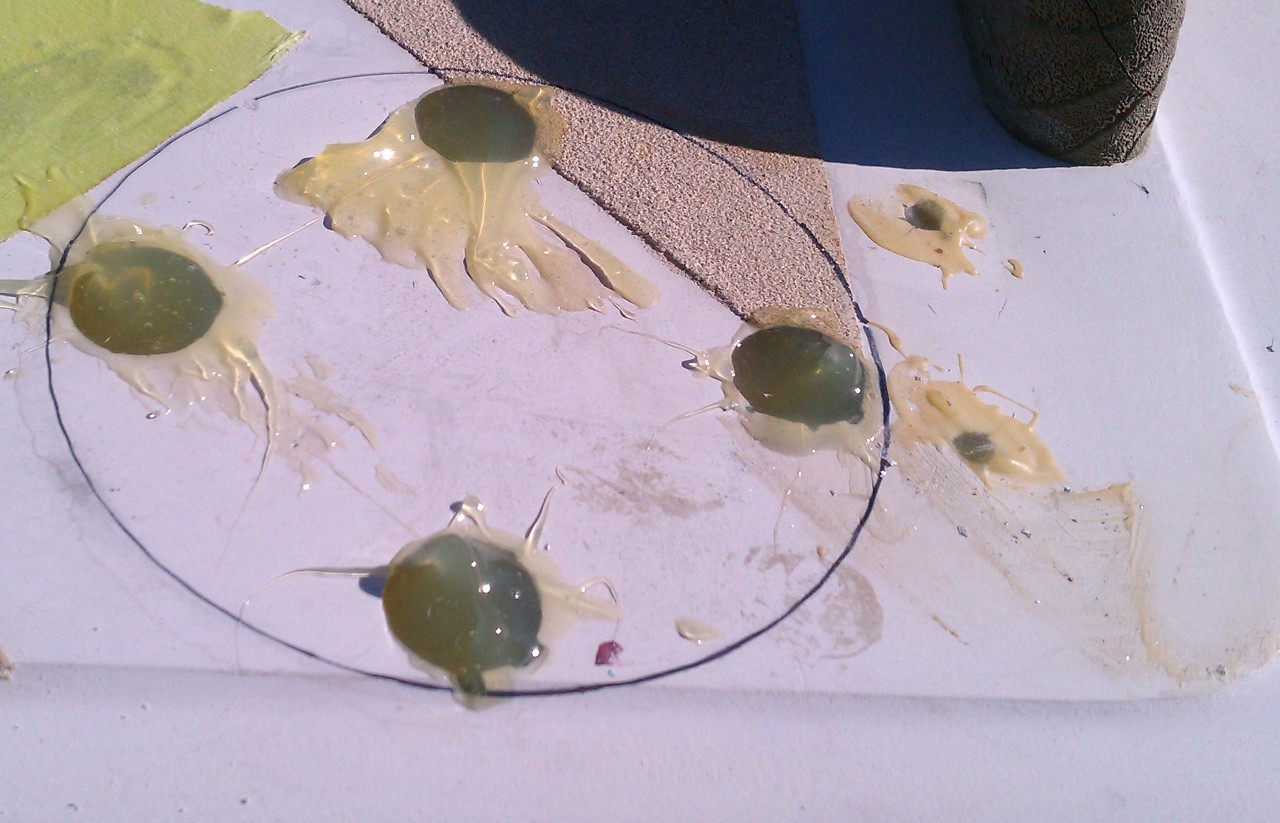
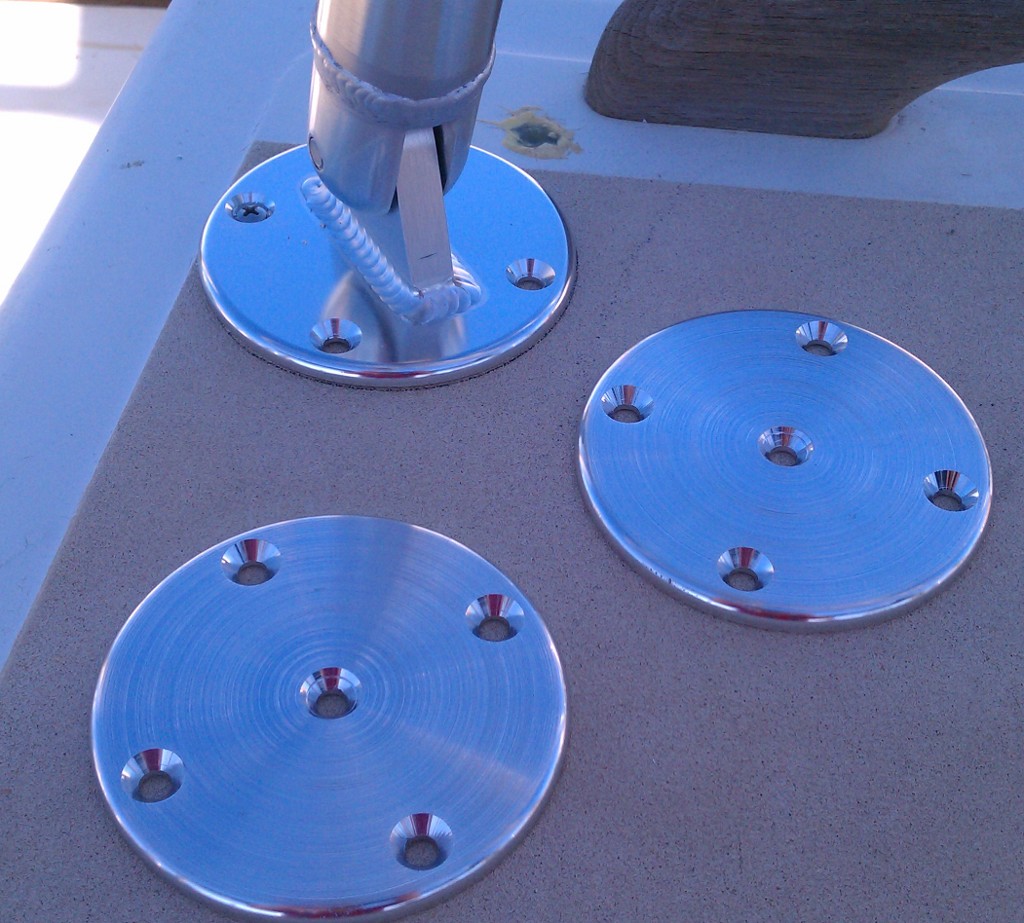
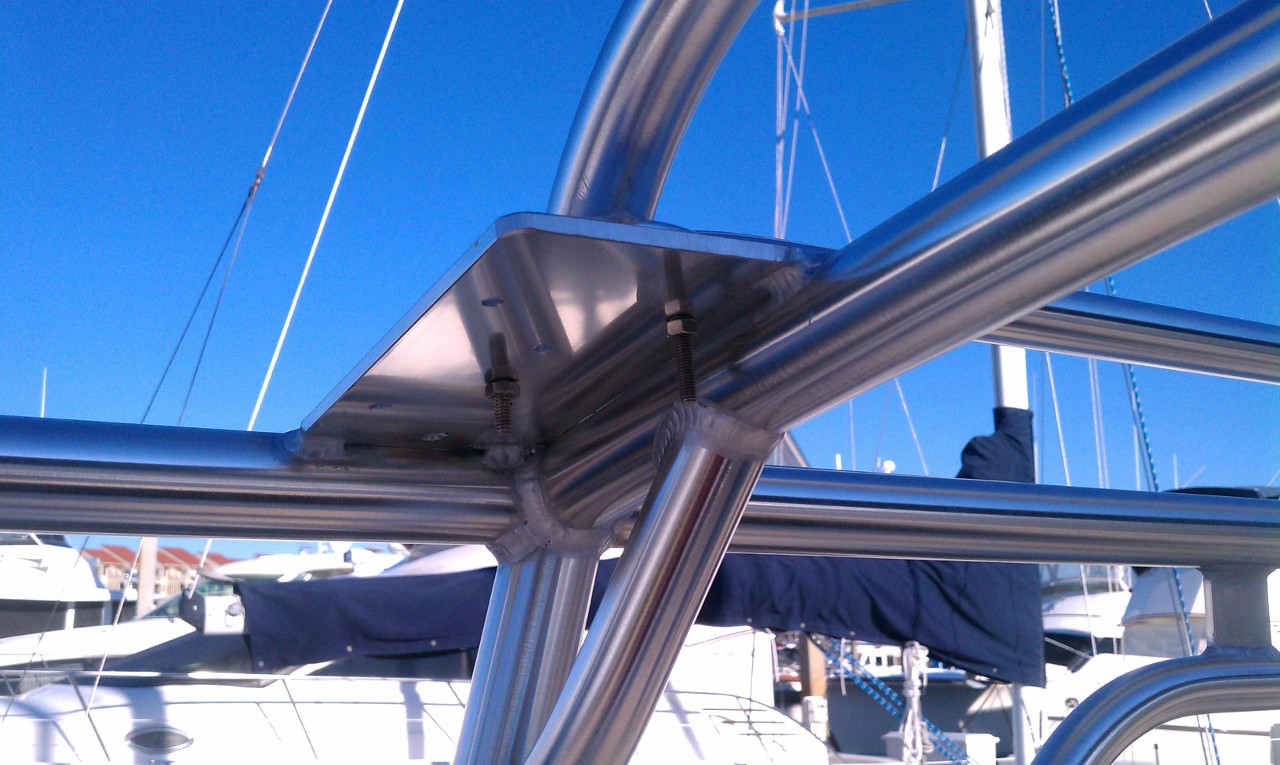
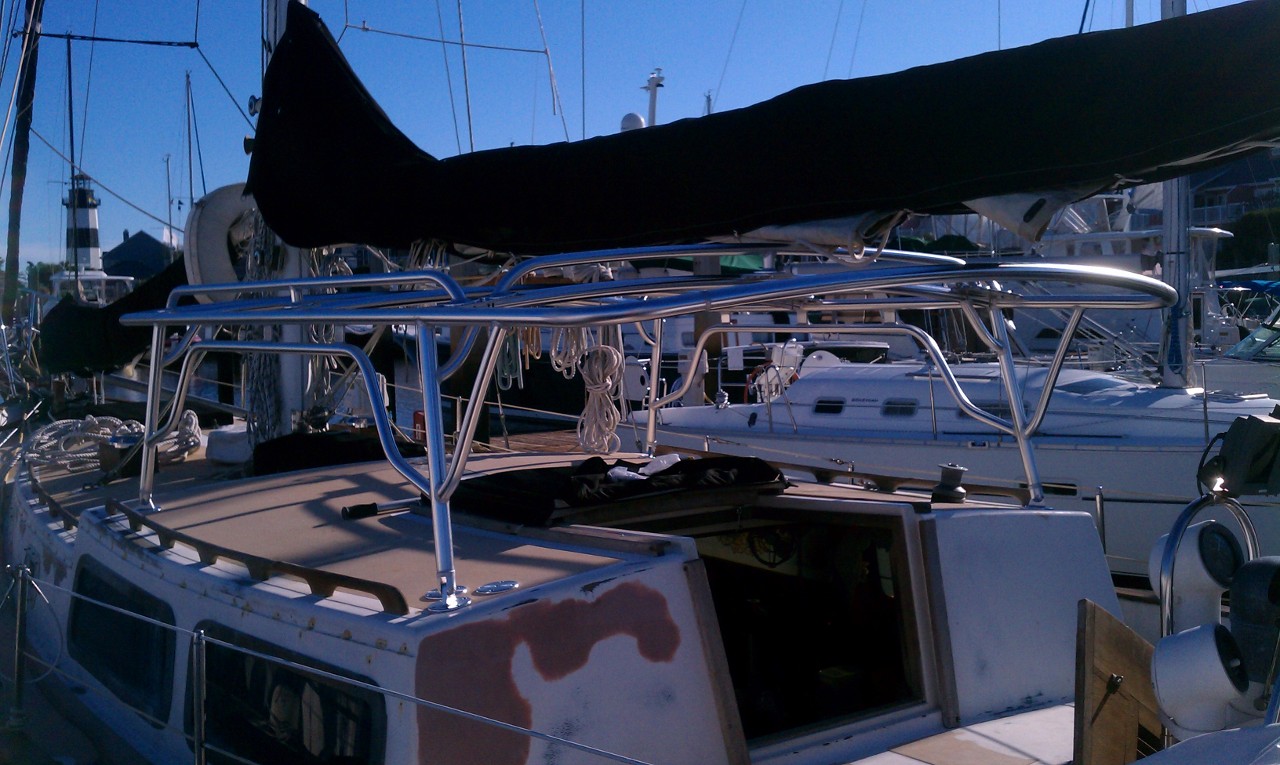
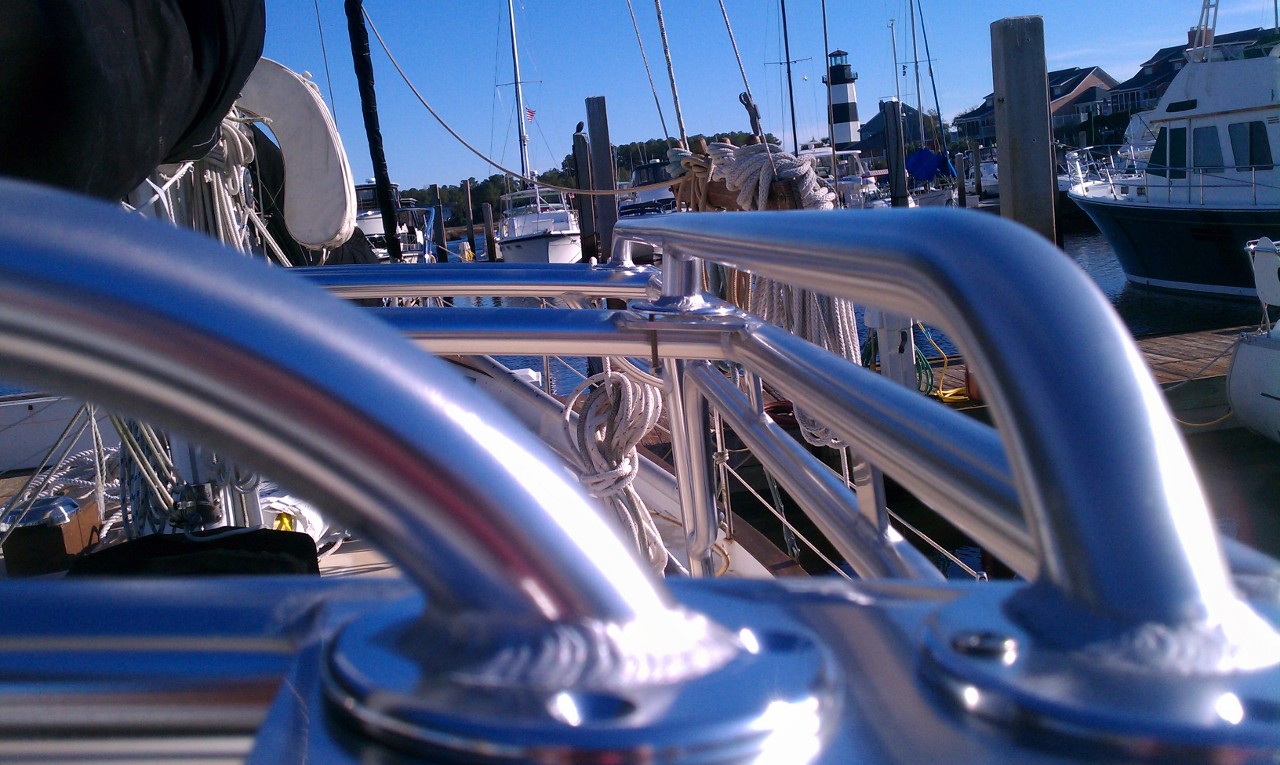
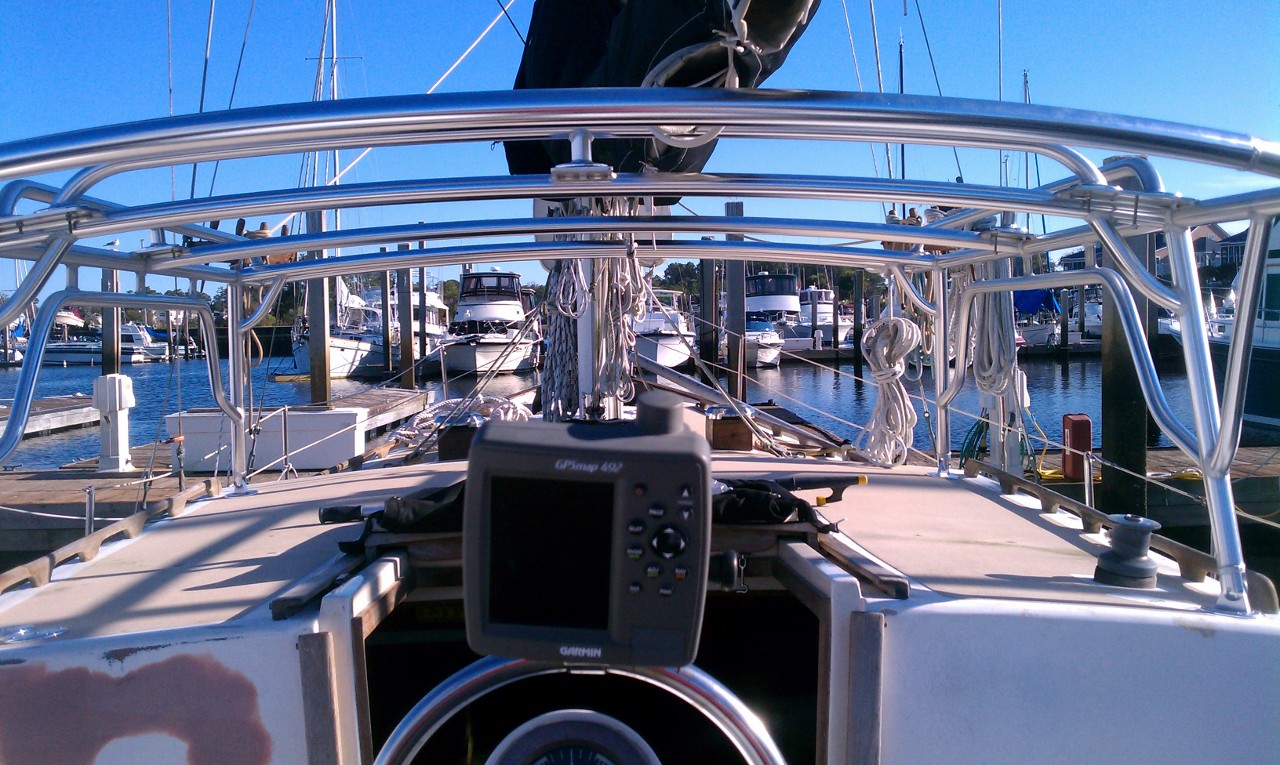
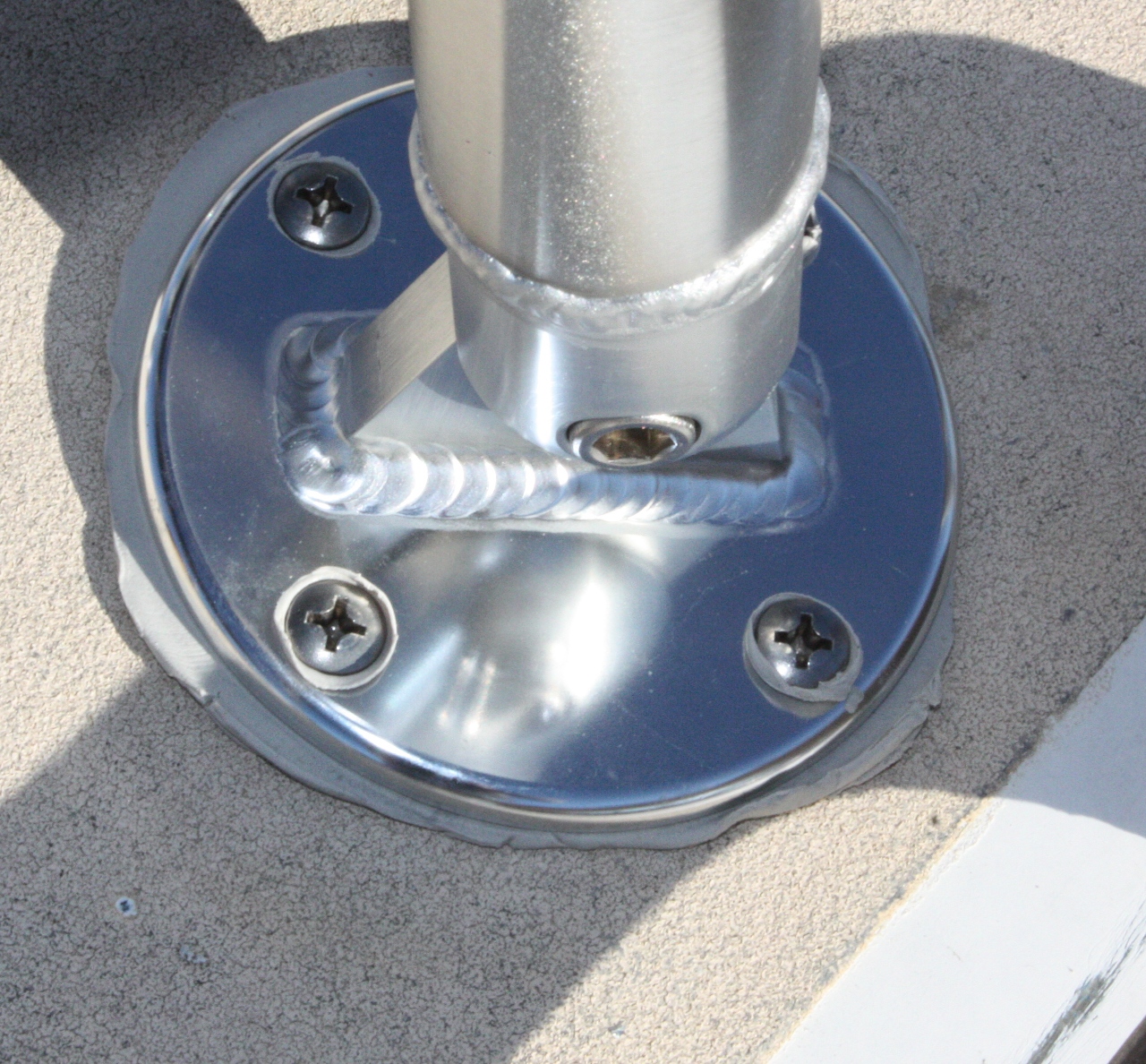
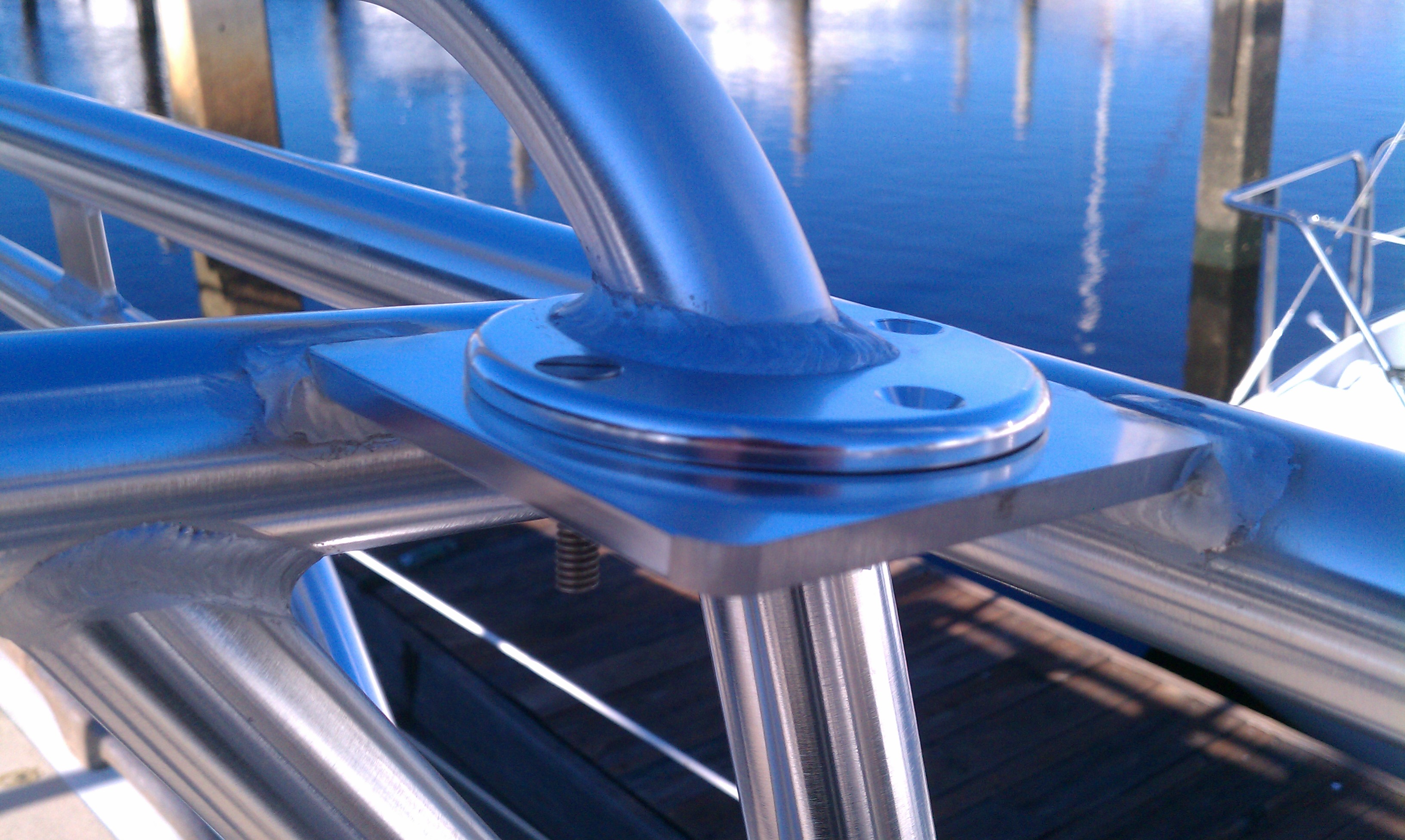
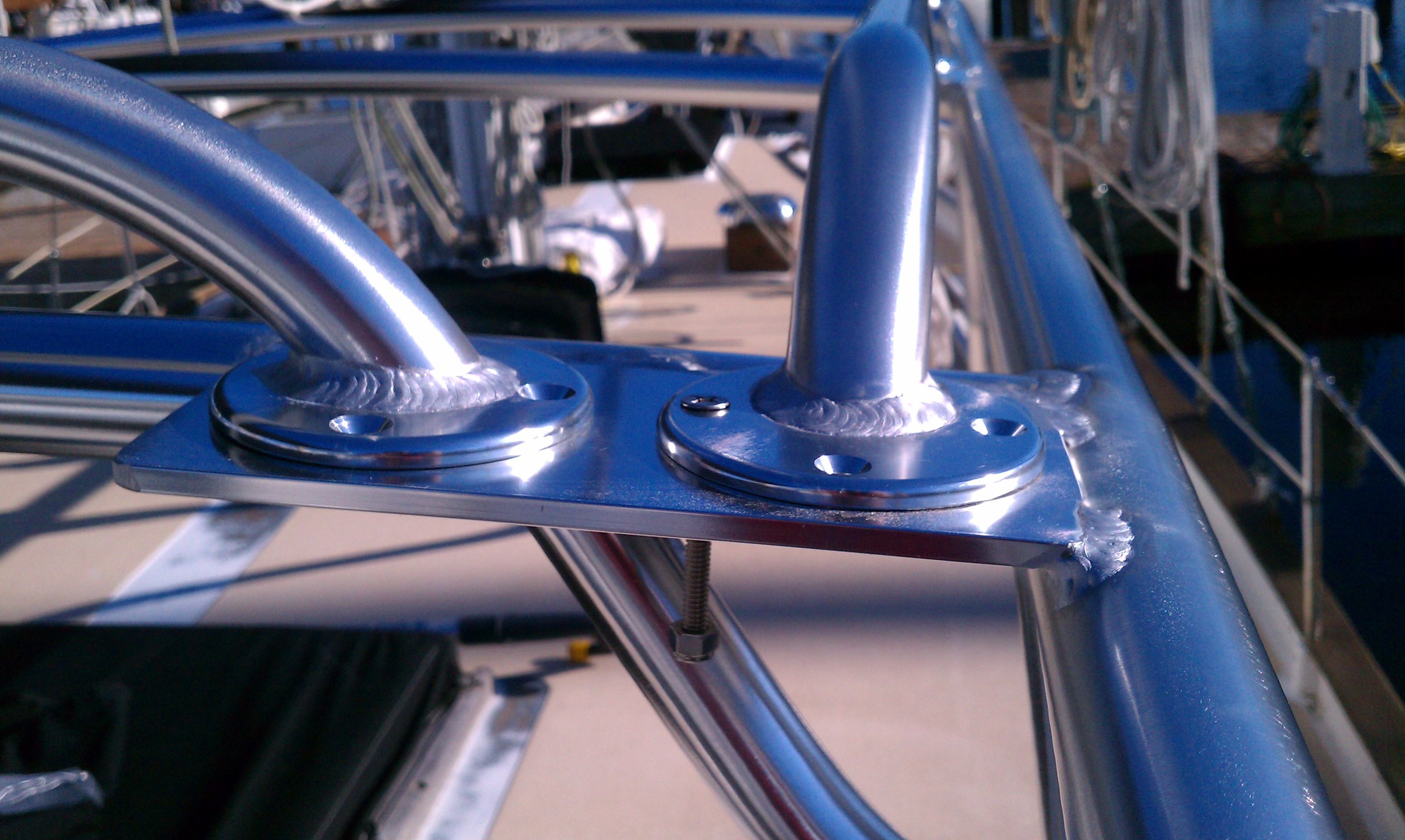
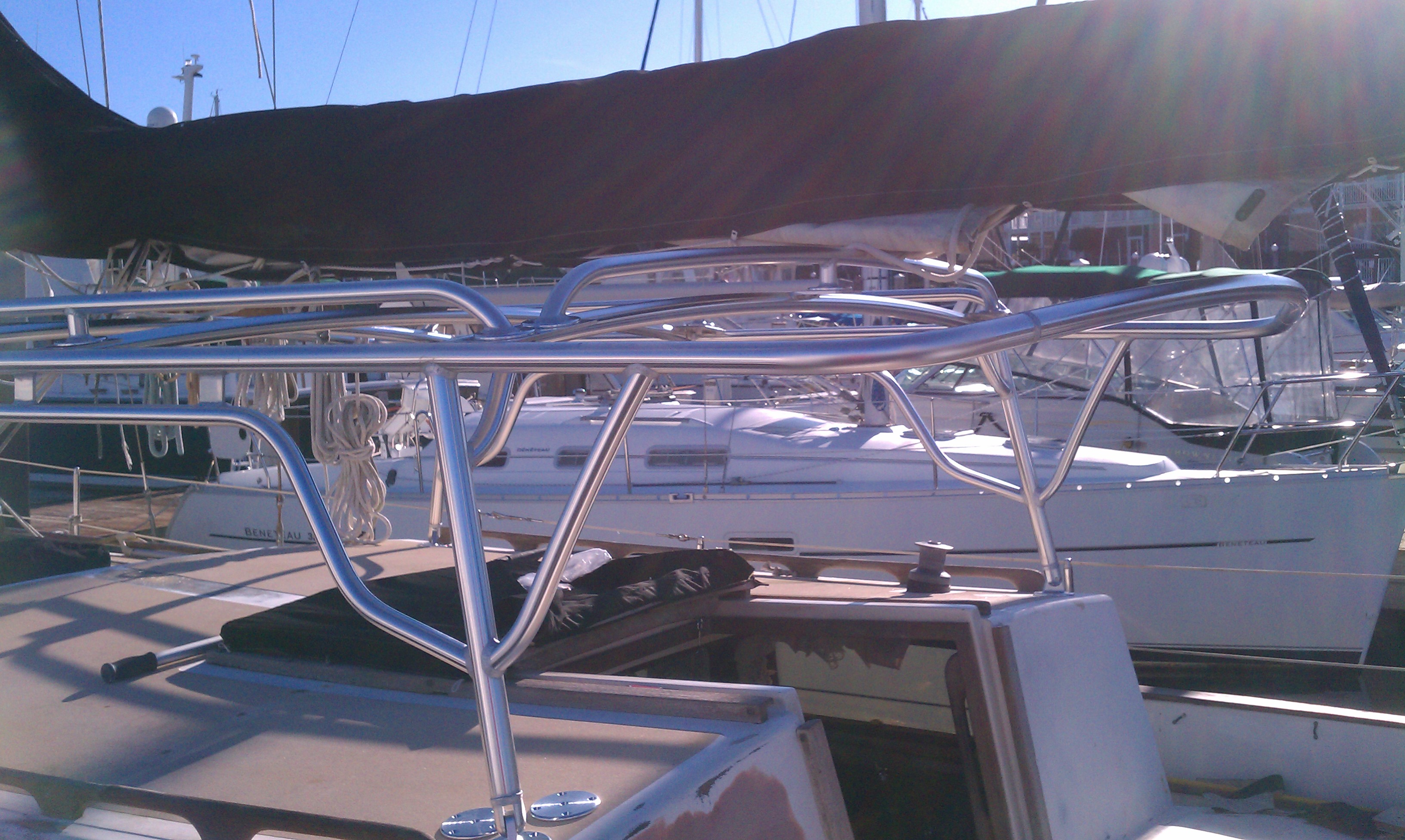
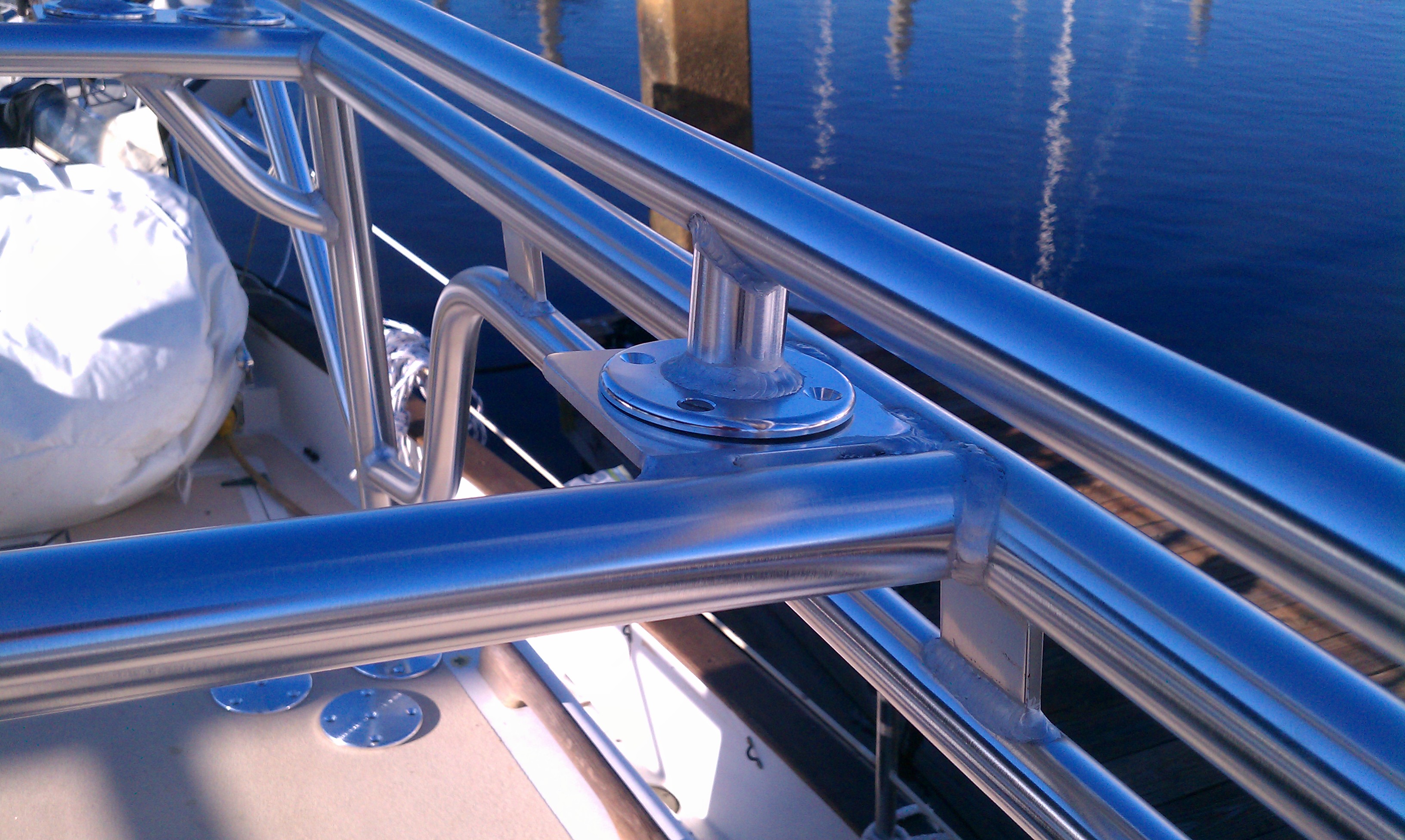
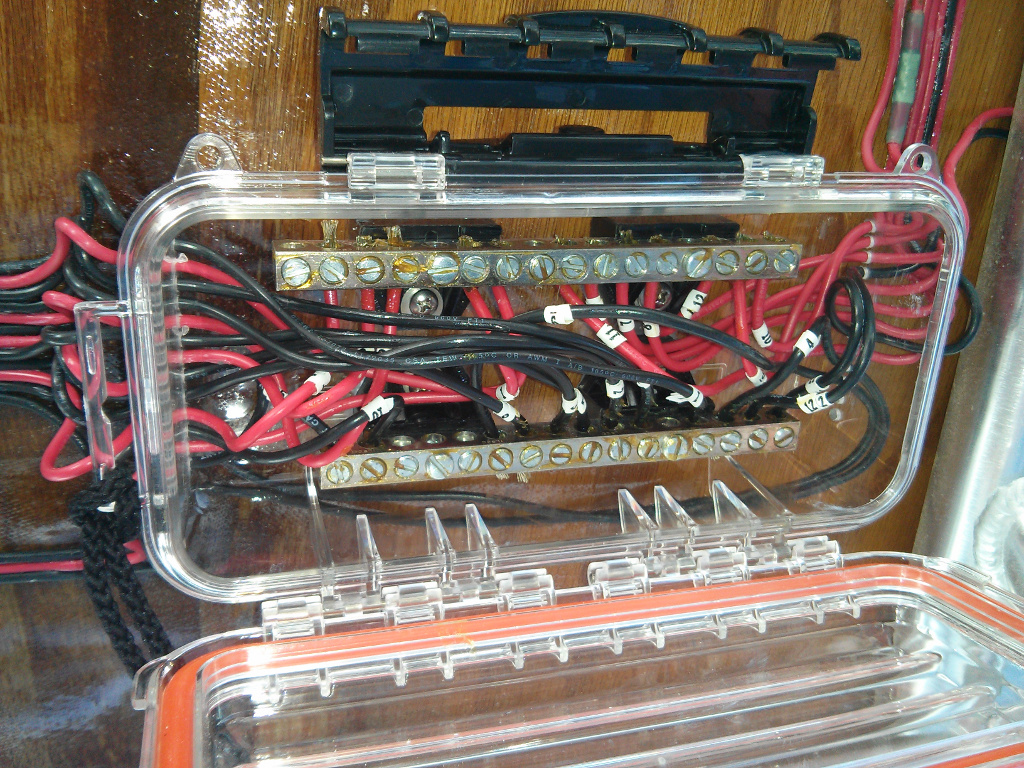
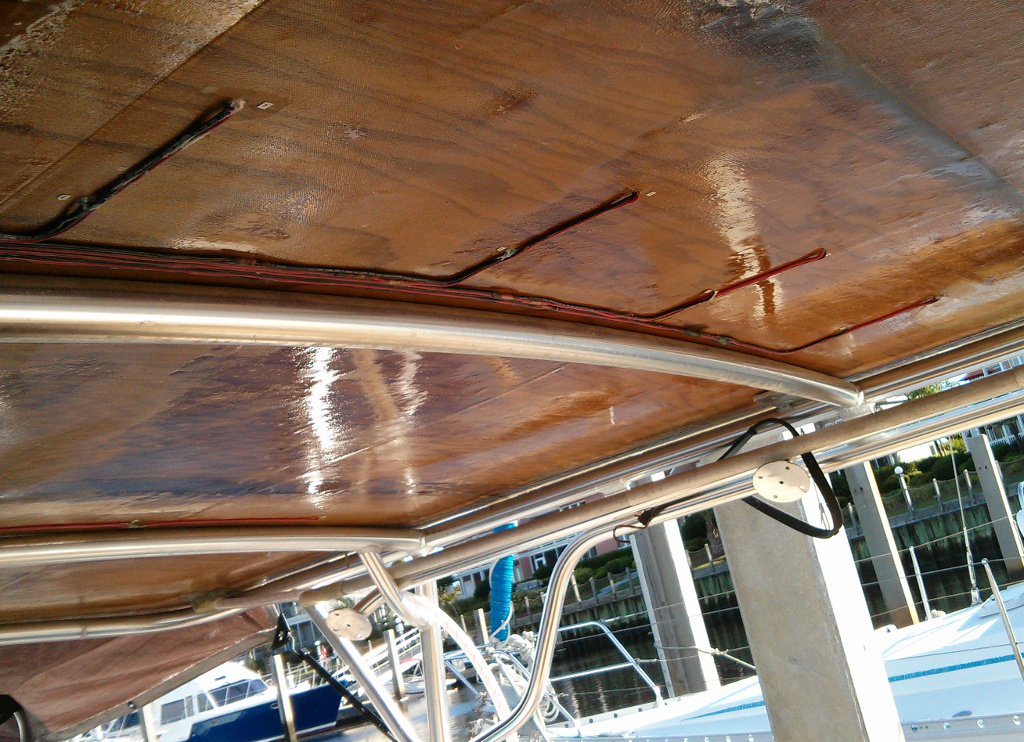
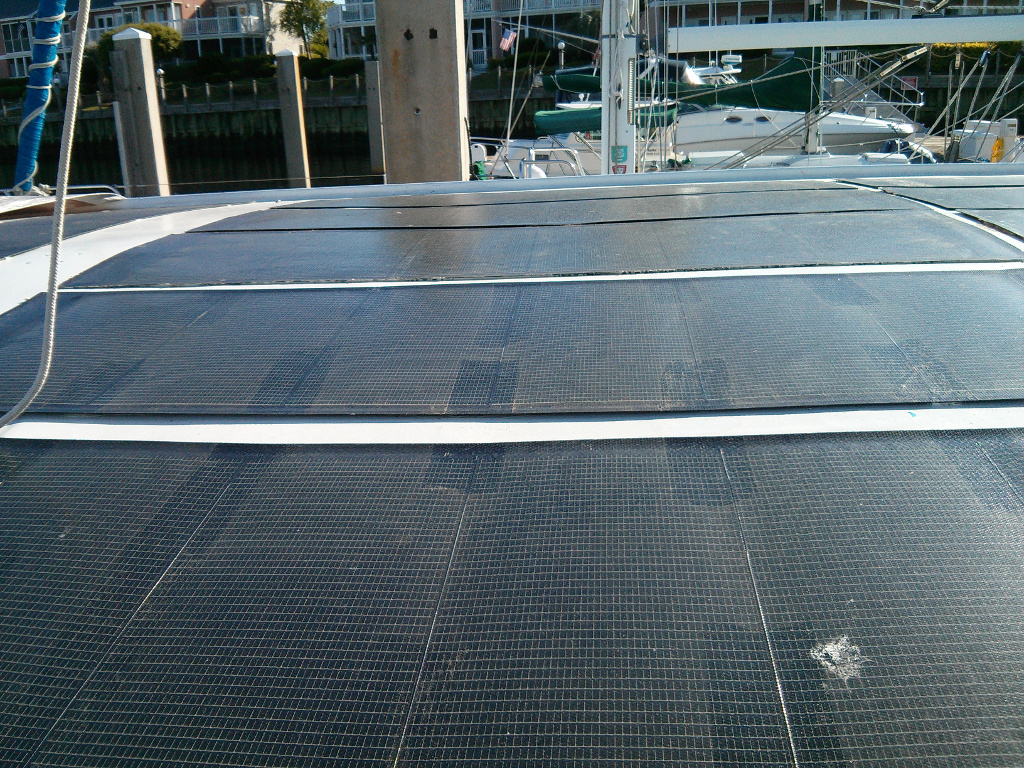
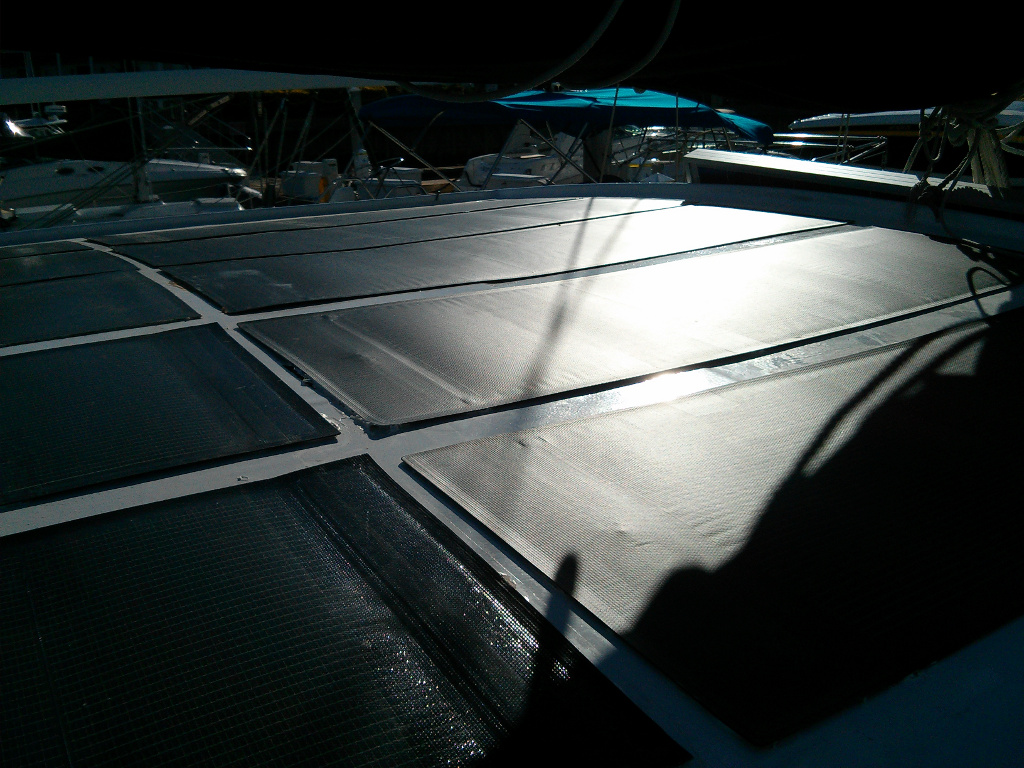
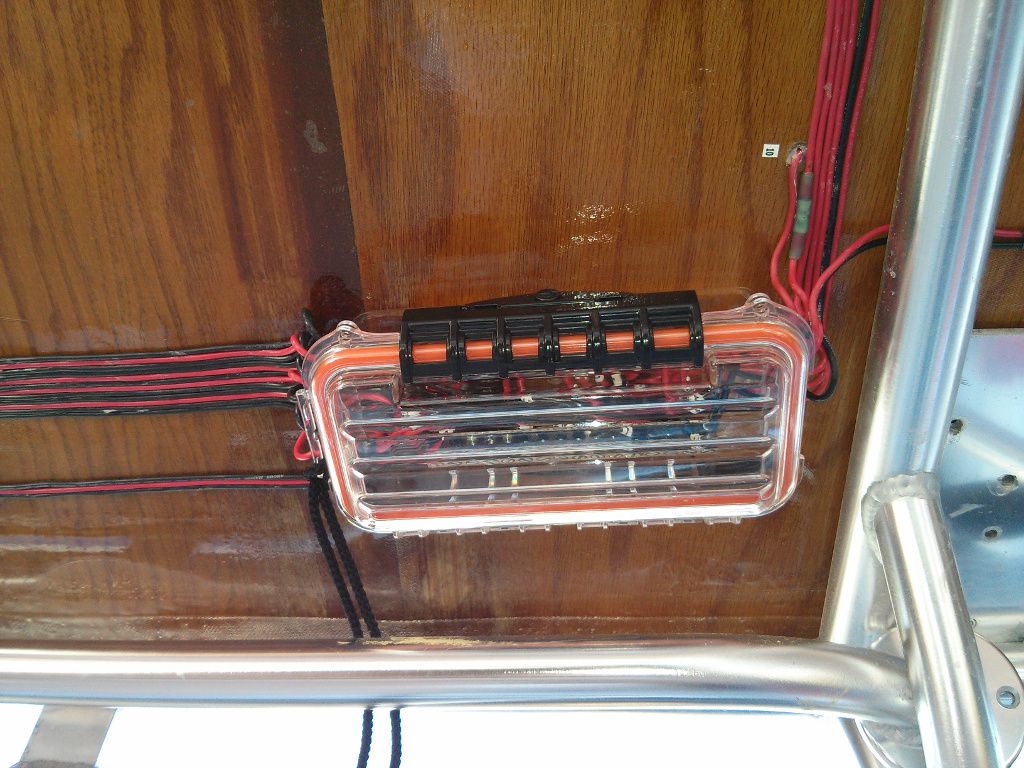
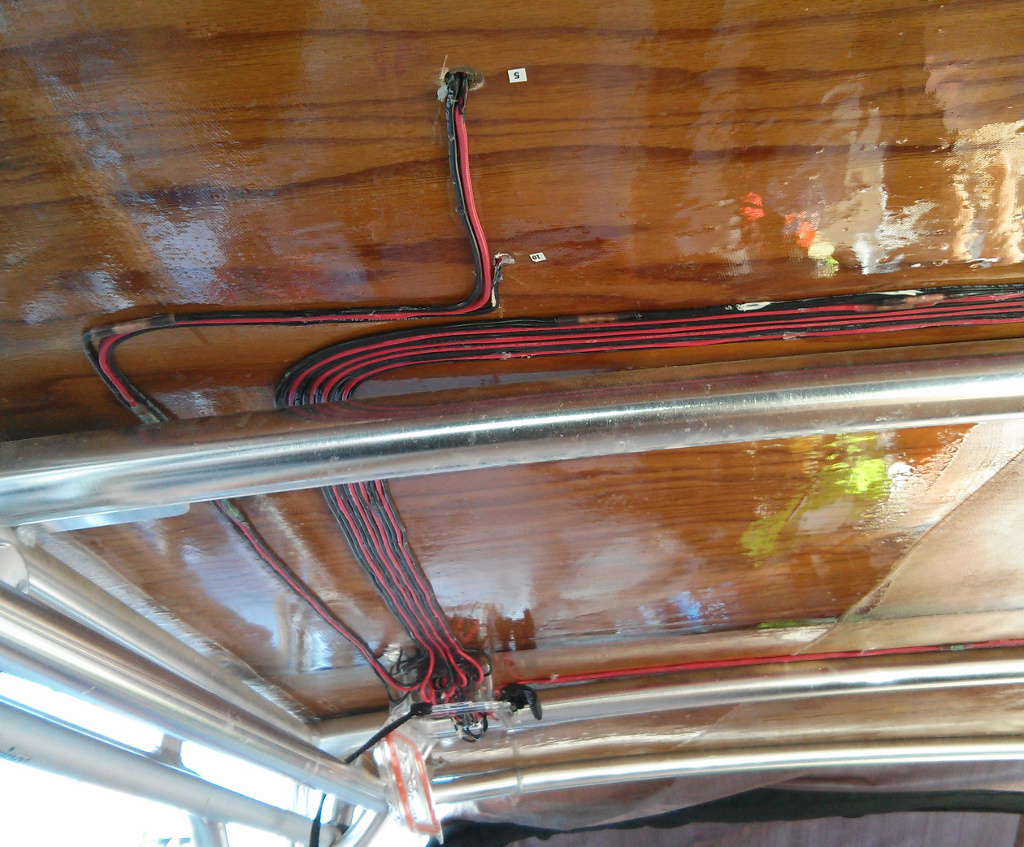
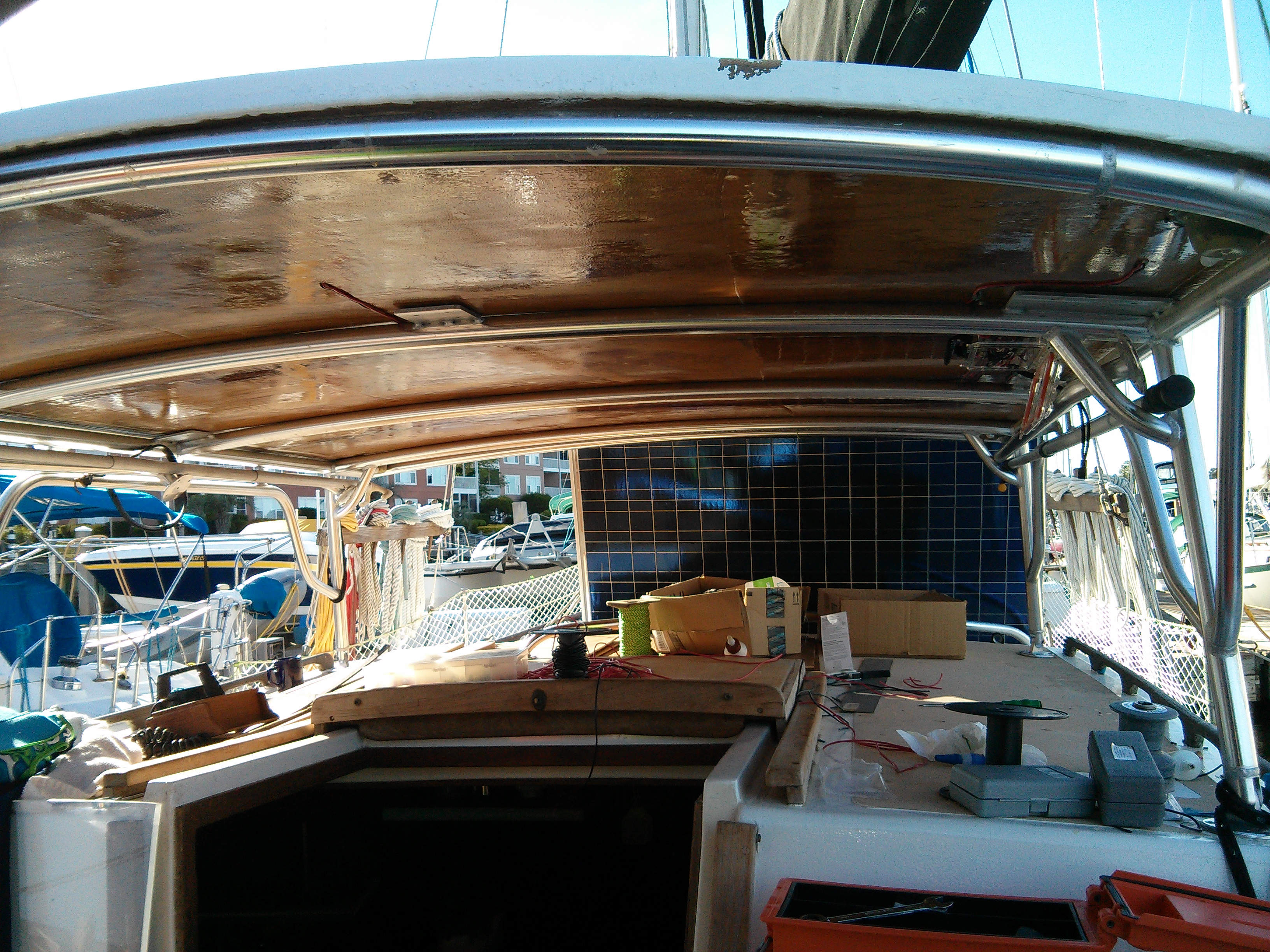
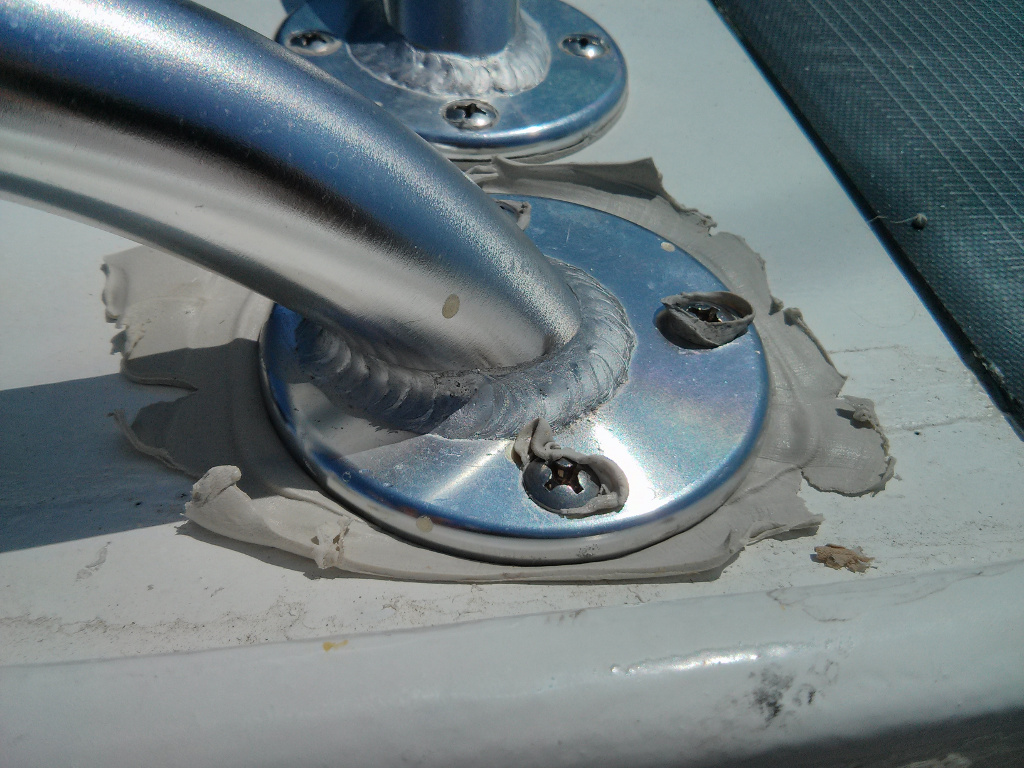
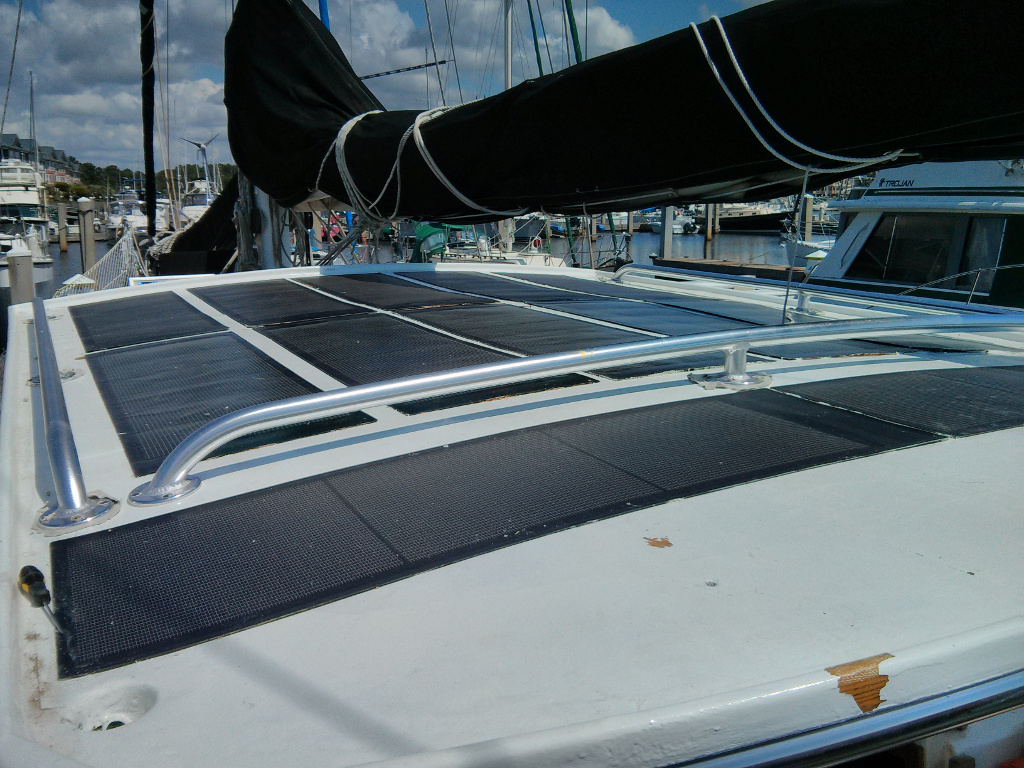
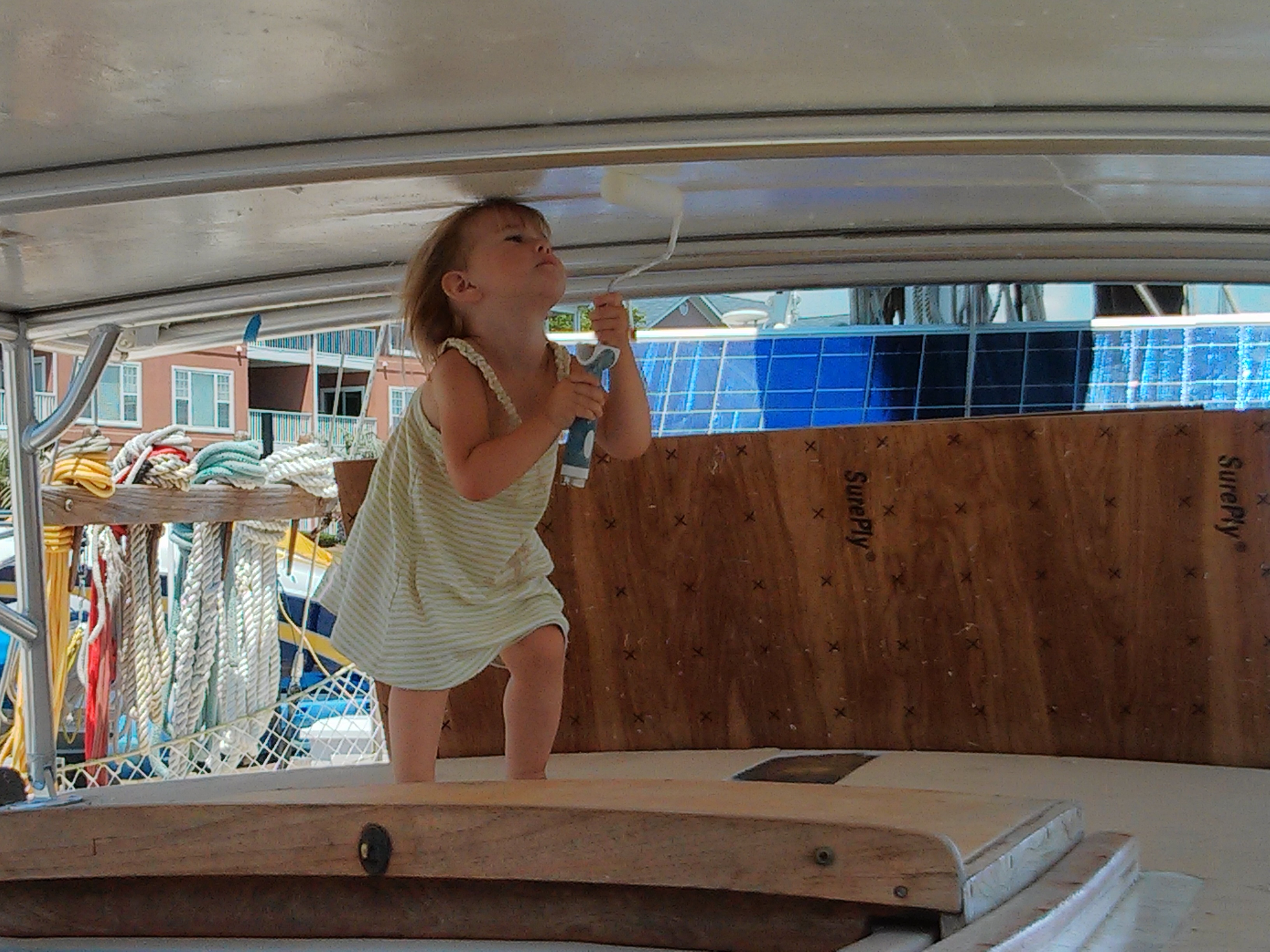
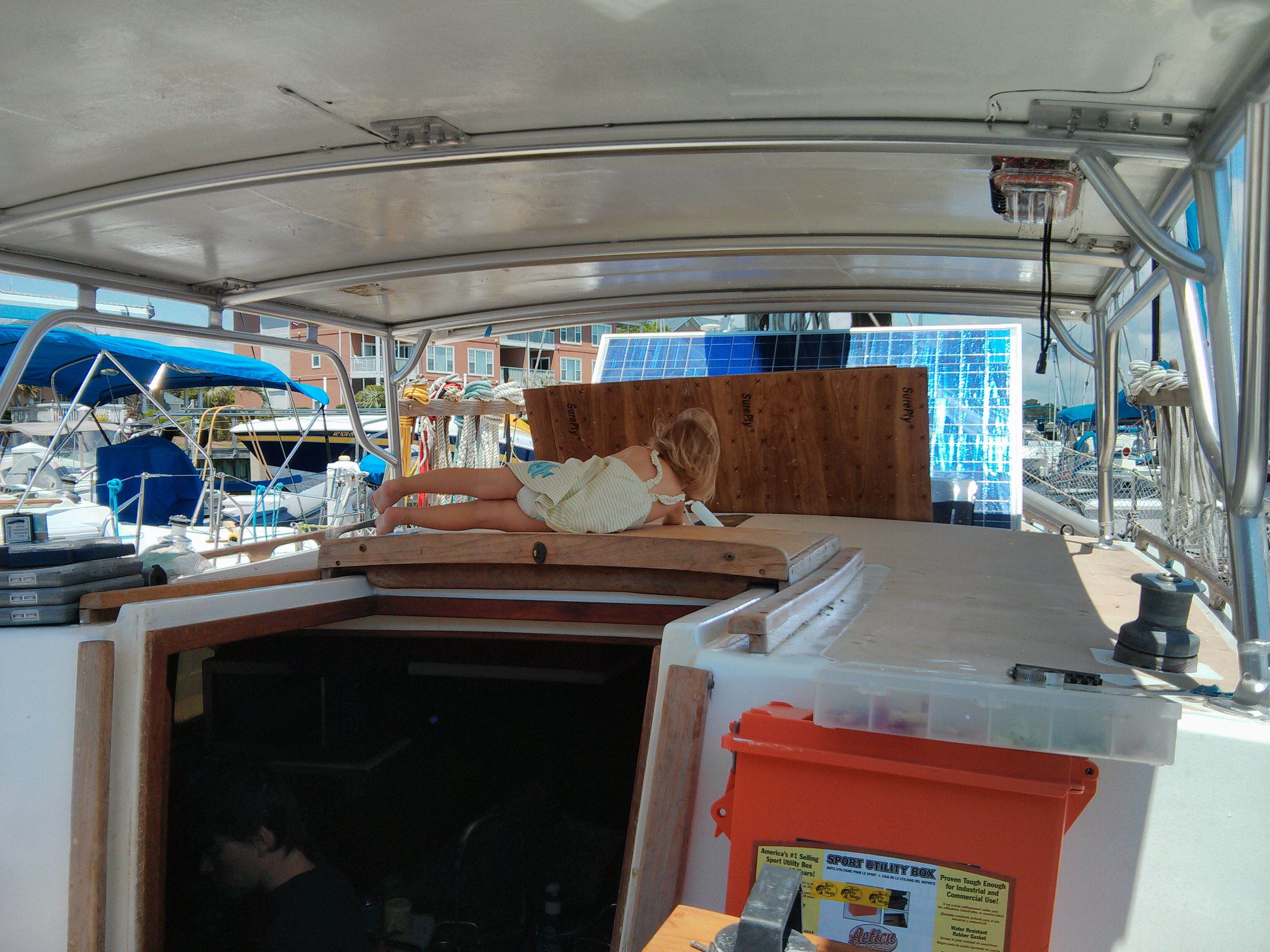
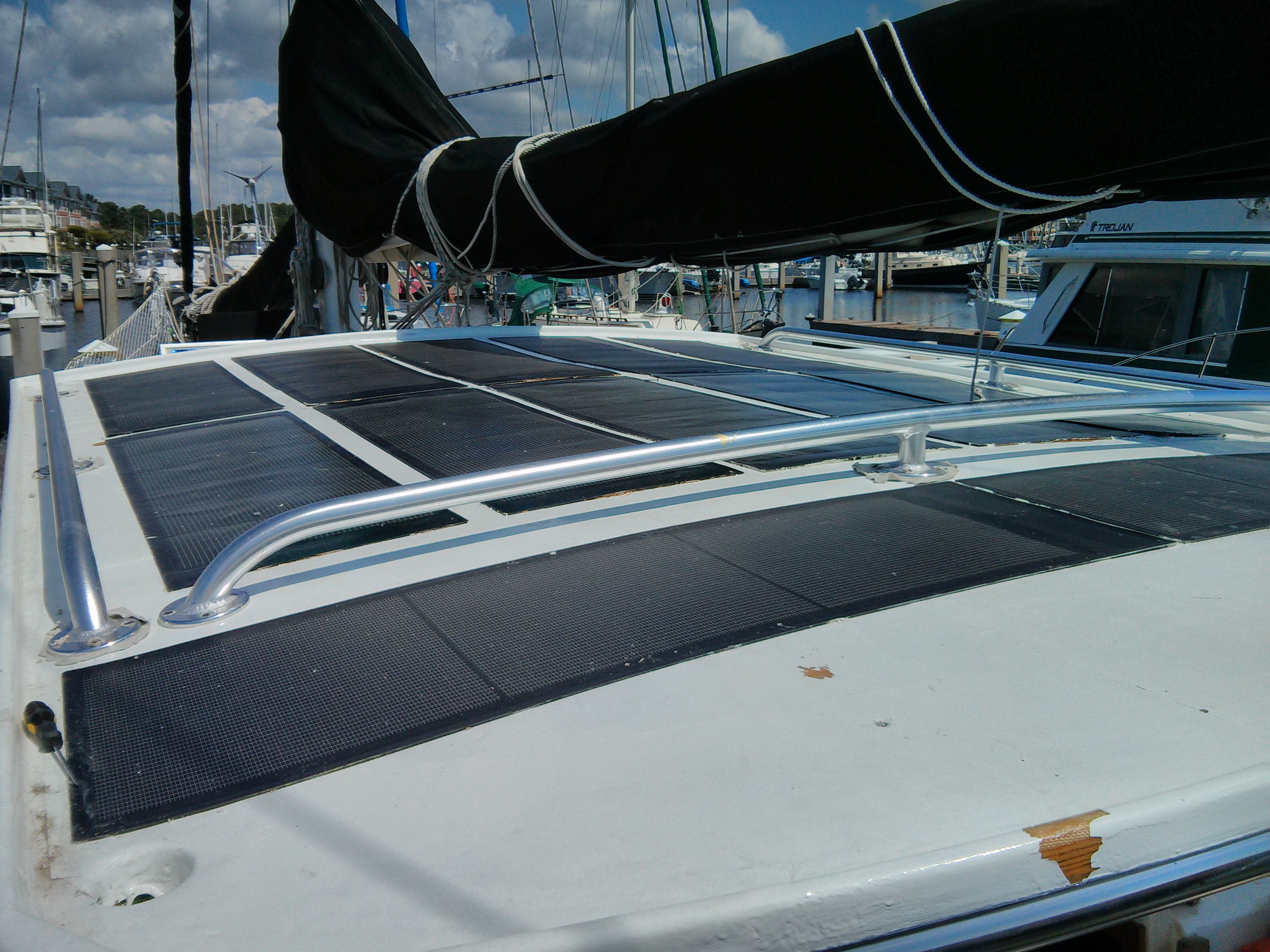
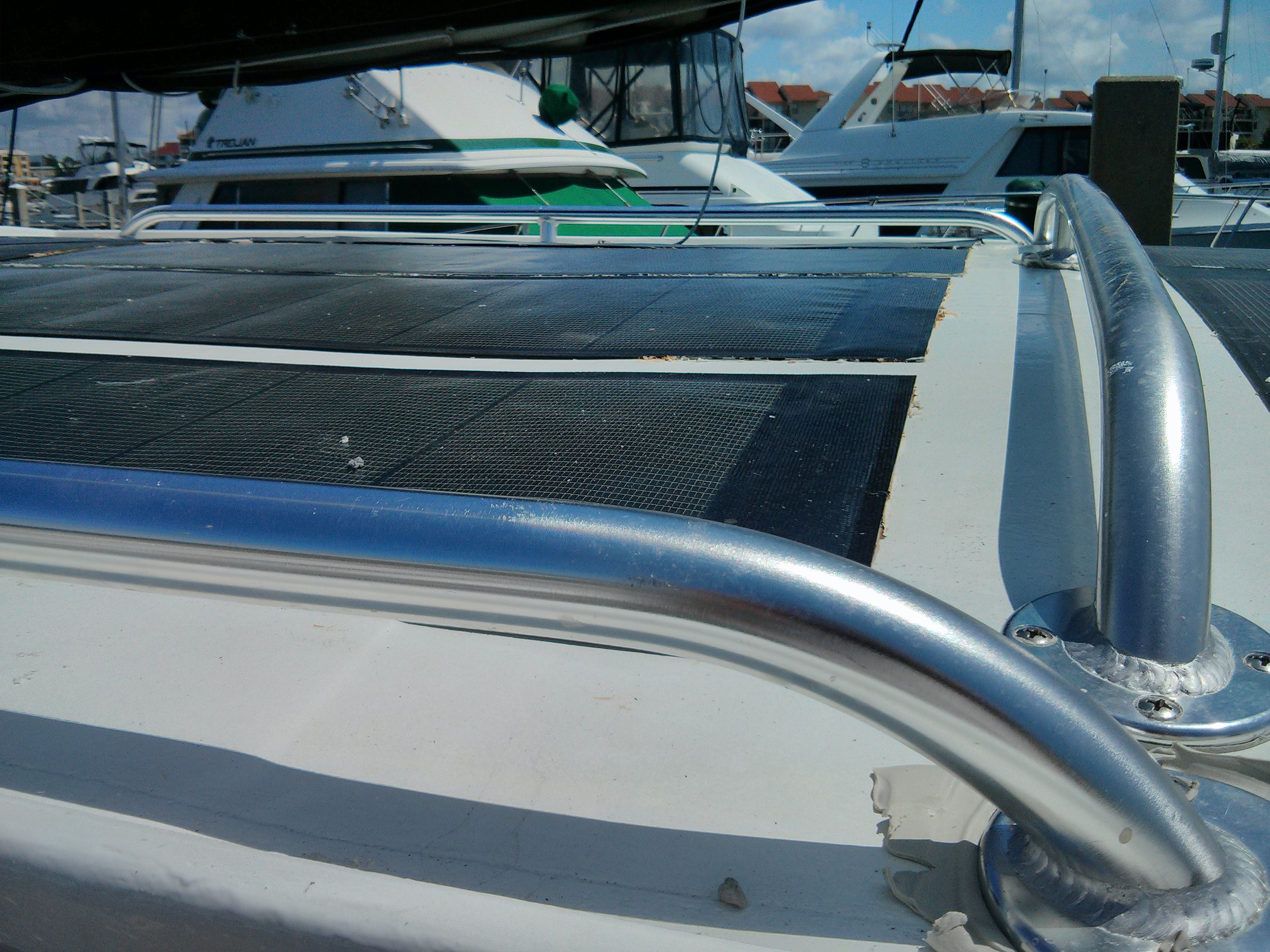
Scott aboard s/v Valkyr needed more solar power to run his A/C (he is in Florida). And shade is also a very nice thing... So he took on the project of making a hard dodger to support all those new solar panels. This is not strictly a small boat project, but shows some excellent construction techniques. Enjoy!
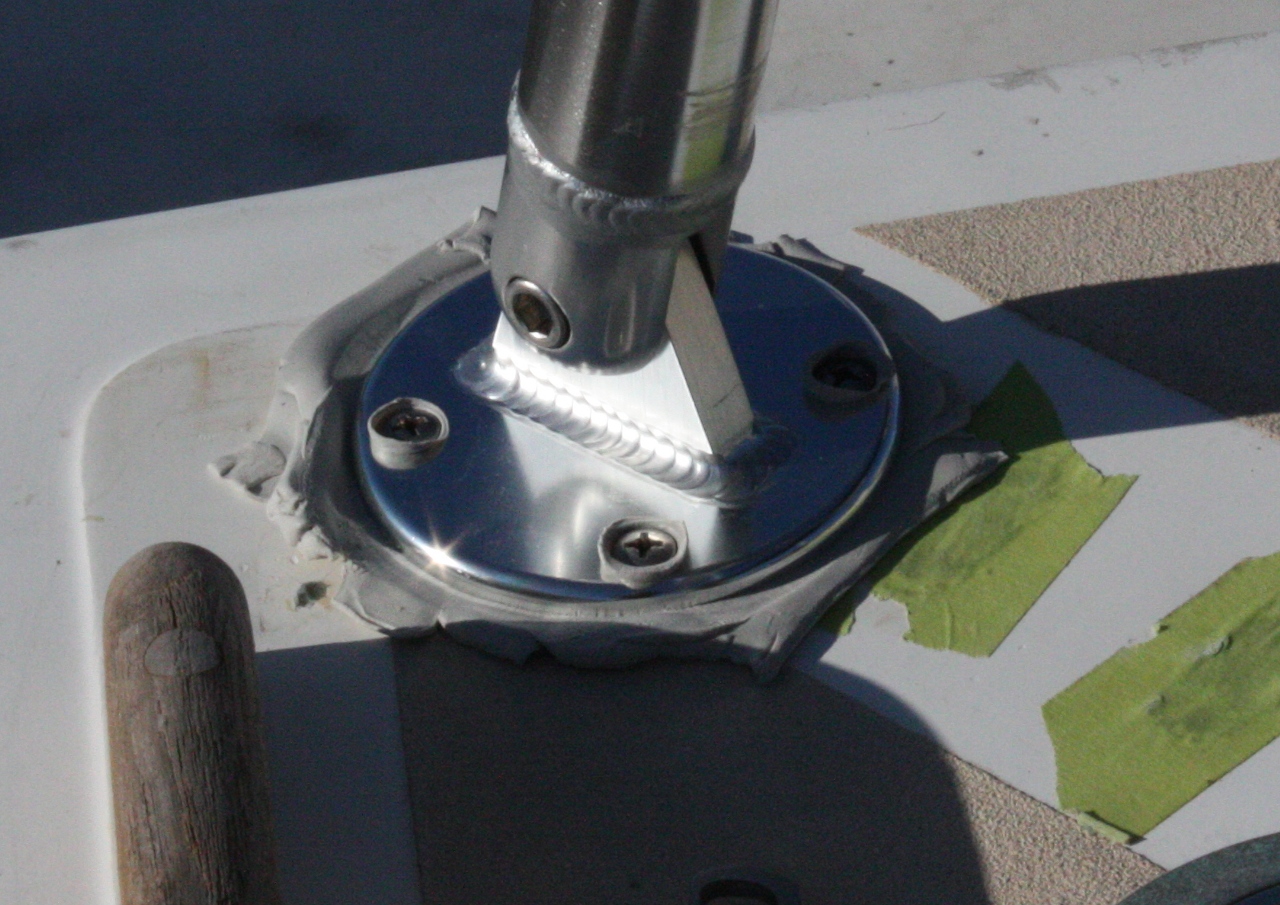
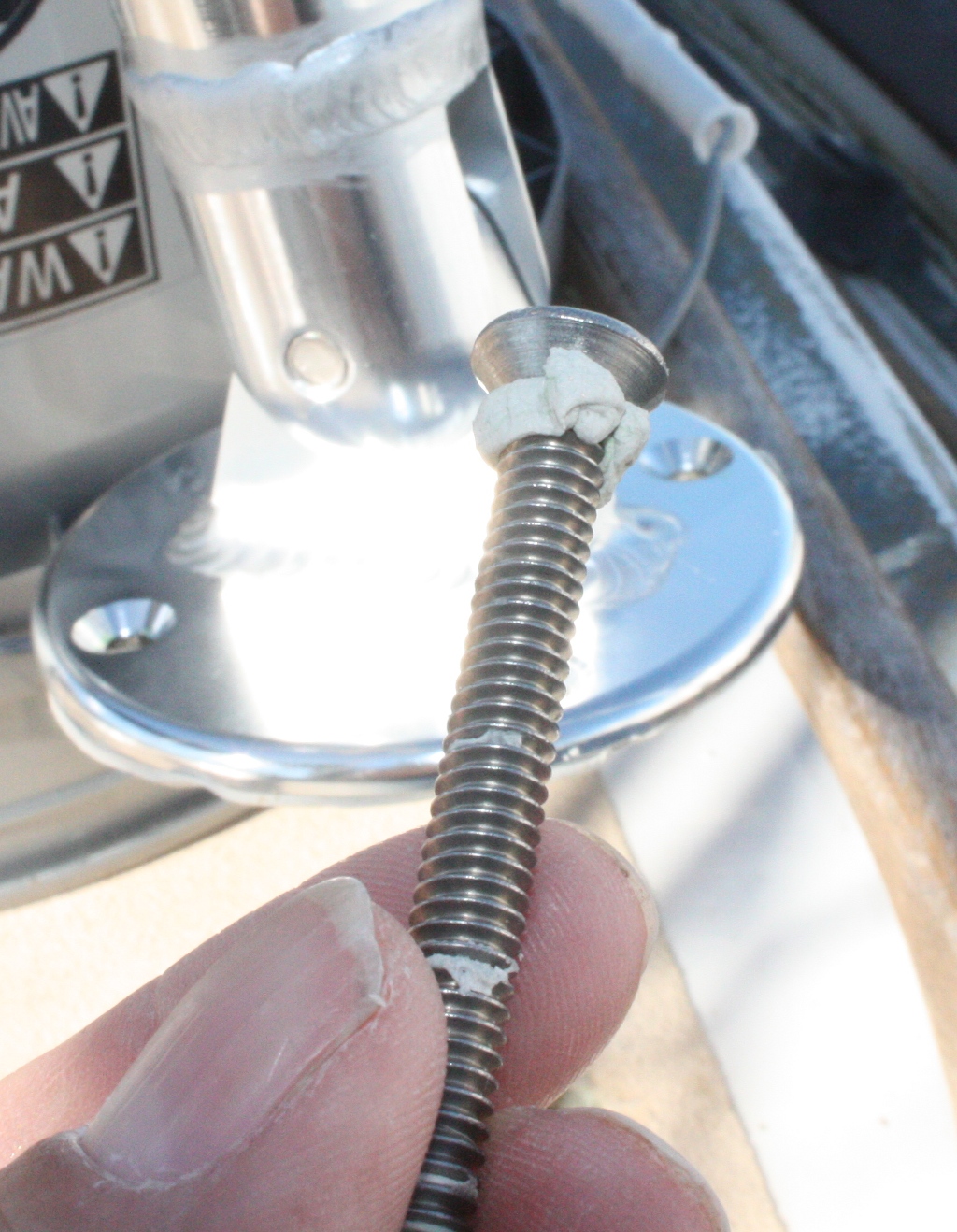
So I thought I had posted pictures of Valkyr’s hard dodger long ago but it seems that I didn’t. These are not the best formatted pictures but should help to give an idea of what I did.

Tuesday, December 27, 2016
The making of a hard dodger
This is not an easy project.
It is well beyond the "small boat project" range. And yet, it is so well executed that I couldn't resist drawing your attention to it. Mike of s/v Chalice has tackled the creation of a hard dodger. And he has done it in yeoman fashion. Pay particular attention to the tools and tooling that he creates in order to do the actual project work:
Yeoman work indeed.
What follows is a combination of two of Mike's posts (I wish there was a third showing the completed dodger).
It is well beyond the "small boat project" range. And yet, it is so well executed that I couldn't resist drawing your attention to it. Mike of s/v Chalice has tackled the creation of a hard dodger. And he has done it in yeoman fashion. Pay particular attention to the tools and tooling that he creates in order to do the actual project work:
- A rib glue-up table
- A buck for gluing up the roof panel
- An adjustable jig to support the roof panel in place in the cockpit while supports are created
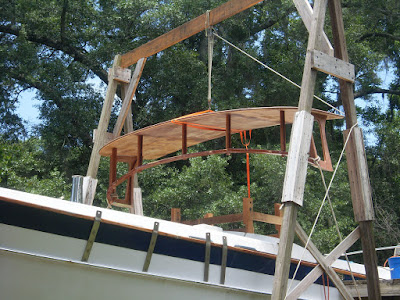
- A rolling gantry (!)
Yeoman work indeed.
What follows is a combination of two of Mike's posts (I wish there was a third showing the completed dodger).
The Hard Top / Hard Dodger. *Part 1*
So here we go. This was spread over about a year. First I made the actual top piece, then the bottom rail was made right on the boat. Then I built the gantry crane to set the top piece up there and join the two together.
I started with a table to make the mahogany ribs that are internal to the top.
Made with OSB, filled with thickened epoxy, sanded, then clear coated with epoxy again to give a nice smooth surface then waxed about 8 times so the glue would not stick to the form.
From Update_July 20, 2016
From Update_July 20, 2016
From Update_July 20, 2016
From Update_July 20, 2016
From Update_July 20, 2016
Next a large form was made that matched the same curve as the ribs. I did not take pics of that part. I have a few of the actual glue up of the top piece.
From Update_July 20, 2016
From Update_July 20, 2016
There is a layer of 1/4" luan on top and bottom. Mahogany ribs with 1/2"foam panel between them with solid Mahogany about a foot around the edges.
I used plastic nails to nail the first layer to the form. This allowed easy removal and sanding. I used a cheap Harbor Freight 18Ga. nail gun. Worked great and saved about $300 from buying a Italian gun made for them.
Later I cut it to shape and glassed it top and bottom.
From July 21, 2016
From July 21, 2016
The Hard Top / Hard Dodger. *Part 2*
So now we have the top up on the boat. I built an adjustable jig to hold it so I could get the right height and location. Here are some pics with the process of fitting the top to the bottom rail I had made earlier.
By the way, this was the most difficult part.
From Update_July 20, 2016
From Update_July 20, 2016
Starting to look good. I think.
From Update_July 20, 2016
Looking lean and mean.
Dirty boat.
From Update_July 20, 2016
Ok now we have it together (barely). So let's lift it off and to the ground.
From Update_July 20, 2016
From Update_July 20, 2016
From Update_July 20, 2016
On the work horses for final assembly and finishing.
From Update_July 20, 2016




Subscribe to:
Posts (Atom)


 Posts
Posts